

Views: 0 Author: Site Editor Publish Time: 2026-03-03 Origin: Site


Tea is a global beverage, enjoyed by people of all cultures for its unique flavors, rich history, and countless varieties. Among the many types of tea, gunpowder tea stands out as one of the most interesting due to both its unique name and its distinctive production method. But why do they call it gunpowder tea? Is it because of its taste, or is there something more to the name than just a catchy label? In this article, we will delve into the origins, production process, and historical significance of gunpowder tea, as well as the reasons behind its peculiar name.
At Zhejiang Chunli Tea Industry Co., Ltd., we have been deeply involved in the production of high-quality gunpowder tea for many years, and we believe understanding the origins of this beloved tea can enhance the appreciation of its unique characteristics. Whether you are a tea enthusiast or new to the world of tea, this exploration of gunpowder tea will offer insights into why this particular tea stands out in a crowded world of brews.
Gunpowder tea, also known as "Zhu Cha" in Chinese, is a type of green tea that originates from the Zhejiang province in China. Its name is derived from the shape of the tea leaves, which are tightly rolled into small pellets resembling grains of gunpowder. This method of rolling is believed to have originated during the Tang Dynasty (618–907 AD), where it was designed to preserve the freshness of the tea leaves during transportation.
The tightly rolled tea leaves serve to preserve the tea's flavor and aroma, which was especially important in the ancient days when tea was often transported over long distances. The name "gunpowder" is likely a reference to the visual similarity between the rolled tea leaves and gunpowder grains, which were small and round in shape.
The production of gunpowder tea is a meticulous process that requires skill and precision. The unique rolling technique is what makes gunpowder tea stand out from other types of tea. Here's an overview of the steps involved in creating this distinctive tea:
The first step in producing gunpowder tea is the plucking of young, tender tea leaves. The best quality gunpowder tea is made from the top two leaves and the bud of the tea plant, as these are the freshest and most flavorful parts. The leaves are typically plucked early in the morning when the dew is still present, ensuring that the leaves are full of moisture and flavor.
Once the leaves are plucked, they are left to wither slightly in the sun or under controlled conditions. This step helps reduce the moisture content of the leaves and prepares them for the rolling process.
The key feature of gunpowder tea is its unique rolling technique. The leaves are tightly rolled into small pellets by hand or by machine. This rolling method not only preserves the flavor of the tea but also gives the tea its characteristic appearance, with each pellet resembling a tiny grain of gunpowder. The rolling process is delicate and requires careful attention to ensure that the leaves maintain their shape and size.
After the tea leaves are rolled, they are dried through a process called “firing,” which involves applying heat to the leaves to stop oxidation. This step helps to preserve the fresh, grassy flavor of the tea and prevents the leaves from turning bitter. The leaves are fired at high temperatures, which also enhances their aroma and texture.
Once the leaves are dried and fired, they are sorted by size and quality. The best quality gunpowder tea is often made from smaller, more tightly rolled pellets, while lower grades may contain larger or more loosely rolled leaves. The sorted tea is then packaged and ready for distribution to tea drinkers around the world.
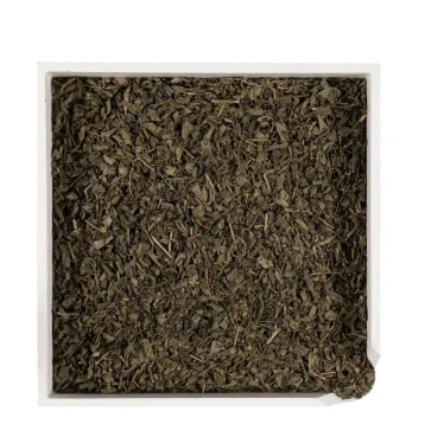
The name "gunpowder tea" can be confusing at first, especially since the tea has nothing to do with explosives or weapons. The name actually comes from the tea's unique appearance—the tightly rolled pellets of tea leaves resemble grains of gunpowder, which were small, round, and compact. This comparison to gunpowder was a convenient way for early tea merchants to describe the tea’s distinctive shape.
The visual similarity is more than just a coincidence. The rolling technique used to create gunpowder tea has a practical purpose—it helps preserve the flavor and aroma of the tea leaves, much like how the tightly packed grains of gunpowder were designed to remain intact until they were ready to be used. By using the term "gunpowder," merchants were able to communicate the idea of strength, concentration, and preservation, all of which were key qualities that made gunpowder tea highly desirable.
Gunpowder tea has become a global favorite, particularly in the Middle East and North Africa, where it is traditionally brewed with mint to create the famous Moroccan Mint Tea. In these regions, gunpowder tea is often served as a symbol of hospitality, and the brewing process is an important social ritual.
In Europe and North America, gunpowder tea is often enjoyed as a green tea, prized for its refreshing taste and numerous health benefits. The tea is known for its strong, slightly smoky flavor and is often served plain or with a touch of honey or lemon.
While we are not focusing on health claims, it’s worth mentioning that green tea, including gunpowder tea, has long been celebrated for its potential health benefits. Gunpowder tea is rich in antioxidants, which may help support overall well-being and contribute to a healthy lifestyle. It’s also a refreshing and low-calorie alternative to sugary beverages.
Brewing gunpowder tea is simple, but a few small details make a big difference in flavor and clarity. Because the leaves are tightly rolled into pellets, they unfurl gradually during steeping—so you’ll often notice the taste “open up” over the first and second infusions.
Heat the water correctly
Aim for about 175–180°F (80–82°C). If you don’t have a thermometer, bring the water to a boil, then let it sit for 2–3 minutes before pouring. Water that’s too hot can make the brew taste harsh, especially if you steep too long.
Measure the tea
Use about 1 teaspoon per 8 oz (240 ml). If you prefer a lighter cup, start with slightly less—gunpowder tea can brew strong because the pellets are compact and release flavor steadily.
Rinse (optional, but helpful)
Some drinkers like to do a quick 5–10 second rinse with hot water, then discard it. This gently wakes up the pellets and helps the main infusion taste cleaner.
Steep with control
Steep for 2–3 minutes for a balanced cup. If you want a stronger brew, extend by 30–60 seconds, but avoid oversteeping. You can often get multiple infusions from the same leaves—just shorten the second steep slightly and adjust to taste.
Serve and enjoy
Strain the leaves and serve immediately. If you’re making multiple cups, keep steep time consistent for reliable flavor.
Gunpowder tea is much more than just a unique name—it’s a tea with a rich history, a distinctive flavor, and a special production process that preserves both its taste and freshness. Whether you’re brewing a traditional cup of Moroccan Mint Tea or enjoying it on its own, gunpowder tea offers an authentic, bold experience. If you're looking for high-quality gunpowder tea for your collection, Zhejiang Chunli Tea Industry Co., Ltd. offers some of the finest options available. We pride ourselves on producing premium, sustainably sourced teas that cater to the discerning tastes of tea lovers worldwide. Feel free to explore our products and contact us for more information.
Gunpowder tea is distinct because it is tightly rolled into small pellets, which helps preserve its flavor and aroma. The rolling process also gives the tea a slightly smoky taste, setting it apart from other green teas.
To brew gunpowder tea, use water heated to around 175°F (80°C), steep the leaves for 2-3 minutes, and adjust the steeping time based on your preference for strength.
Yes, gunpowder tea is a type of green tea, but its unique rolling process gives it a distinctive appearance and flavor.
Yes, Zhejiang Chunli Tea Industry Co., Ltd. offers bulk quantities of high-quality gunpowder tea, ideal for commercial distribution or wholesale purchasing. Contact us for more details.


