

Views: 0 Author: Site Editor Publish Time: 2026-05-04 Origin: Site


Have you ever wondered if you can still enjoy tea while fasting? With the rise in popularity of intermittent fasting, many are curious about what beverages are best suited for their fasting windows.
In this article, we’ll show how Chunmee Tea fits seamlessly into your intermittent fasting routine, helping you stay on track and energized.
Intermittent fasting (IF) is a popular eating pattern that alternates between periods of eating and fasting. Unlike traditional dieting, which focuses on calorie restriction, IF emphasizes when you eat rather than what you eat. This approach allows your body to enter a state where it burns fat for energy, supports cellular repair, and promotes hormonal balance.
There are several methods of intermittent fasting, each tailored to different lifestyles and preferences. Let's take a closer look at some of the most popular ones:
● 16/8 Method: This is the most widely practiced intermittent fasting method. You fast for 16 hours and have an 8-hour window to eat. For example, you might eat between 12:00 PM and 8:00 PM and fast from 8:00 PM to 12:00 PM the next day. This method works well for those who want to use their sleeping hours for fasting, making it easier to stick with.
● Eat-Stop-Eat: This method involves fasting for 24 hours once or twice a week. It can be challenging but allows for longer fasting periods that may provide significant health benefits. For example, you would skip dinner on one day and not eat again until dinner the next day.
● 5:2 Method: This variation of intermittent fasting involves eating normally for five days of the week, then restricting your calorie intake to 500-600 calories on two non-consecutive days. This approach may be more flexible, making it a good choice for those who don’t want to fast every day.
During intermittent fasting, your body undergoes several physiological changes that can help improve health. The main mechanisms that contribute to these benefits include the metabolic switch, hormonal shifts, and a process called autophagy.
When you eat, your body primarily uses glucose from carbohydrates as its main source of energy. However, during fasting periods, your body runs out of glucose and switches to burning fat for fuel. This process helps you lose fat over time and promotes greater fat-burning efficiency.
Process | During Eating | During Fasting |
Main Energy Source | Glucose from carbohydrates | Fat stores (ketones) |
Hormonal Response | Increased insulin levels | Lower insulin levels, higher growth hormone |
Fat Burning Efficiency | Lower fat burning | Enhanced fat burning |
Intermittent fasting triggers several key hormonal changes that help you burn fat more efficiently. When you fast, insulin levels drop, making it easier for your body to access stored fat. At the same time, human growth hormone levels rise, promoting fat loss and muscle gain. These hormonal shifts play a crucial role in the success of intermittent fasting.
Autophagy is a process in which your body breaks down and recycles damaged cells and cellular components. This "cellular cleanup" happens primarily during extended fasting periods and helps your body repair itself from the inside out. This process is linked to anti-aging effects and may help protect against diseases like cancer and Alzheimer's.
Autophagy also helps enhance your overall well-being by ensuring that your cells function optimally, which is why fasting can be a powerful tool for rejuvenation.
When it comes to intermittent fasting (IF), many people wonder if they can still enjoy their favorite beverages, especially tea. The great news is that tea can play an essential role in helping you stay on track during your fasting period. Here's why tea, particularly Chunmee Tea, is a fantastic companion for your fasting journey.
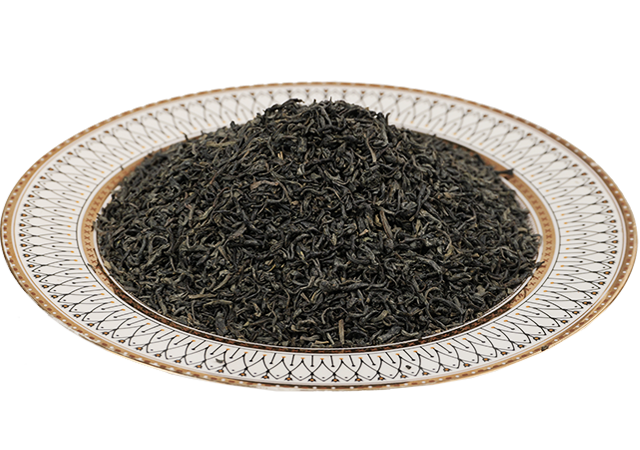
● Non-caloric and Hydrating: Tea provides hydration without adding any calories, which is essential during a fasting period when you're looking to avoid any intake that could break the fast.
● Curbs Hunger: Drinking tea helps satisfy hunger cravings, making it easier to stick to your fasting schedule. The warmth and aroma of tea can be soothing and help distract you from food.
● Rich in Antioxidants: Tea, especially green teas like Chunmee Tea, is rich in antioxidants, which can aid your body’s natural detoxification processes and support overall health.
● Metabolism Boosting: Tea has metabolism-boosting properties. Certain teas can help enhance fat-burning during the fasting period, supporting the goals of intermittent fasting.
Some teas are particularly good for helping you feel fuller during your fasting hours, reducing the likelihood of cravings or snacking. Teas like Matcha and pu-erh are known for their fullness-inducing properties, making them ideal choices when you need to stay focused and energized through your fasting window.
Tea Type | Benefit |
Matcha | Contains fiber and antioxidants, helping you feel full longer |
Pu-erh | Rich in compounds that support digestion and fullness |
Chunmee Tea | While not as dense in fiber, it offers a balanced caffeine hit for mild fullness during fasts |
Staying energized during a fasting period can be a challenge, especially when your body is adjusting to fewer calories. Tea can help keep you alert and focused, especially during the midday slump. Green tea and white tea are particularly helpful, as they have higher caffeine content than most herbal teas.
● Green Tea: Known for its high levels of antioxidants and caffeine, green tea boosts metabolism and increases energy. It’s one of the best teas to help you stay alert and active during fasting periods.
● White Tea: Though lighter in flavor, white tea also has caffeine and antioxidants, offering a milder energy boost.
● Chunmee Tea: With its rich aroma and moderate caffeine content, Chunmee Tea is perfect for maintaining alertness without overwhelming your system. It provides a refreshing energy lift that doesn’t leave you feeling jittery.
Whether you're trying to curb hunger, boost energy, or enjoy a soothing moment, tea, especially Chunmee Tea, can be a great companion. It’s ideal for staying hydrated, feeling full, and maintaining focus while fasting.
● Rich in Catechins: Chunmee Tea is packed with catechins, natural antioxidants that play a significant role in fat burning and metabolism. These catechins can enhance your body's ability to burn fat, which is a crucial part of intermittent fasting.
● Helps Curb Hunger: During fasting, it’s common to experience hunger pangs. The soothing aroma and taste of Chunmee Tea help curb those cravings and can make the fasting period feel more manageable.
● Supports Hydration: Staying hydrated is vital during fasting. Chunmee Tea helps maintain hydration levels, especially when water alone feels bland. It’s a great way to quench your thirst without breaking your fast.
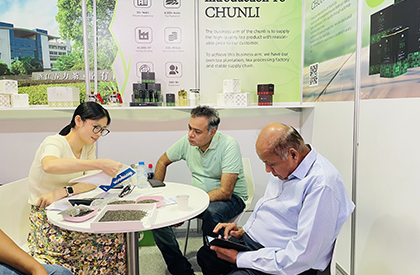
● Ideal for Drinking During the Fasting Window: Because Chunmee Tea is non-caloric, it can be consumed during fasting hours without breaking the fast.
● No Added Sugar or Milk: To ensure your fast isn’t disrupted, it's important not to add any sugar or milk to your tea. Chunmee Tea is naturally free of additives, making it the perfect choice for fasting. You can enjoy it as is, and still gain all the benefits without worrying about insulin spikes.
● Zero Pesticide Residue: One of the key advantages of Chunmee Tea is its purity. The tea is produced using cutting-edge technology that ensures zero pesticide residue in every cup. This makes it a clean and safe option for those looking to maintain a healthy lifestyle while fasting.
● Easy to Prepare and Versatile: Whether you prefer hot or iced tea, Chunmee Tea is easy to prepare and can be enjoyed in various ways. It's the perfect companion for any intermittent fasting schedule, whether you're drinking it during the day or as part of your evening routine.
When it comes to intermittent fasting, choosing the right tea and understanding how to consume it is essential for maximizing the benefits. Here are some practical tips on how to enjoy Chunmee Tea and other teas without breaking your fast.
During fasting, it's crucial to consume beverages that won’t interfere with the metabolic state of fasting. Tea, especially Chunmee Tea, can be a great option, but you must follow a few guidelines to ensure it doesn’t break your fast:
● Avoid Additives: One of the simplest ways to keep your tea fasting-friendly is by avoiding milk, cream, sugar, or any sweeteners. These additions can spike your insulin levels, which may break your fast. Instead, enjoy your tea plain or with zero-calorie substitutes.
● Choosing the Right Tea: Not all teas are created equal when it comes to fasting. Some teas may contain sugars or additives, which can disrupt the fasting process. Chunmee Tea, being naturally free of additives, is a great choice for intermittent fasting, as it provides a smooth, refreshing taste without the risk of breaking your fast.
While tea is an excellent choice during fasting, it’s important not to overdo it. Drinking too much tea could lead to unwanted side effects such as dehydration or over-stimulation. Here are some tips on how much tea to drink during your fasting window:
● Recommended Tea Consumption: Ideally, you can drink 2-3 cups of tea during your fasting period. This provides enough hydration and energy without overwhelming your system. Keep in mind that moderation is key to reap the benefits without negatively affecting your fast.
● Hydration Tips: Hydration is crucial during fasting, and tea can be a good source of hydration. Be sure to balance your tea consumption with water throughout the day. For example, alternating between Chunmee Tea and plain water can help you stay hydrated while still enjoying the benefits of your tea.
Drink Type | Suggested Amount During Fasting |
Chunmee Tea | 2-3 cups during fasting window |
Plain Water | 2-3 cups in between tea |
Herbal Teas | 1-2 cups as needed for hydration |
● Best Times to Drink Tea: The best times to enjoy tea are at the start of your fasting period and just before your eating window. Drinking Chunmee Tea in the morning can help energize you, while a cup before your first meal can soothe your appetite and curb hunger.
Intermittent fasting is a popular health trend, and tea can play a vital role during fasting periods. Chunmee Tea from Zhejiang Chunli Tea Co., Ltd. is a perfect fit. With zero additives and cutting-edge production technology, Chunmee Tea ensures a clean and pure experience for those seeking to enhance their fasting routine.
A: Yes, you can! Tea, especially non-caloric options like Chunmee Tea, is perfect for intermittent fasting. It provides hydration without breaking your fast, and can even help curb hunger.
A: To avoid breaking your fast, it's best not to add milk, sugar, or any sweeteners to your tea. These additions can spike your insulin levels and disrupt the fasting process. Enjoy Chunmee Tea plain for the best results.
A: Ideally, drink 2-3 cups of tea during your fasting period. This will provide enough hydration and help you stay energized. You can also alternate with water to maintain proper hydration.
A: Yes, Chunmee Tea contains a moderate amount of caffeine, which helps boost energy and focus without overwhelming your system, making it ideal for maintaining alertness during your fasting period.
A: Chunmee Tea is a great choice due to its balanced caffeine content and smooth flavor. While other teas like green tea or matcha can also support fasting, Chunmee Tea provides a refreshing, mild boost without overwhelming your system.


