

Views: 0 Author: Site Editor Publish Time: 2026-02-25 Origin: Site


If you’ve never tried gunpowder tea, the name alone can make you curious. It sounds bold—and in a way, the taste can be bold too. But not in the way people sometimes assume. A good gunpowder tea isn’t harsh or “burnt.” It’s clean, structured, and surprisingly adaptable. Depending on how it’s processed and how you brew it, the cup can shift from toasty and nutty to brisk and refreshing, with a lingering finish that stays on the palate longer than many other green teas.
From our perspective as a tea producer, gunpowder tea is one of the most practical teas for international markets because it offers three things buyers care about: consistent flavor, strong aroma retention, and flexibility across brewing styles. Whether you drink it plain, enjoy it with mint-style preparations, or prefer a stronger infusion for food pairing, gunpowder tea has a recognizable character that travels well from leaf to cup. In this article, we’ll describe exactly what gunpowder tea tastes like, what affects that flavor, and how to brew it to match your preference—without complicated tea language.
Gunpowder tea is a green tea rolled into tight, small pellets. This pellet shape is more than a visual signature—it directly influences taste.
Why the pellet matters:
The tight roll helps lock in aroma
The leaves unfurl slowly, so flavor releases in stages
The tea often allows multiple infusions, each with a slightly different profile
Because of this, gunpowder tea can feel more “layered” than some flat-leaf green teas.
A classic cup of gunpowder tea typically has:
Many people describe gunpowder tea as toasty, with a gentle roasted aroma—sometimes like roasted grains, light nuts, or warm bread crust. This is the flavor impression most people associate with the style.
Under the toastiness, you’ll still taste the clean green tea base: fresh, slightly grassy, and crisp—especially when brewed lighter.
Gunpowder tea often leaves a lasting finish rather than disappearing quickly. That lingering character is part of why it pairs well with food and holds up in stronger preparations.
Some gunpowder teas show a light smoky hint. This should feel subtle and pleasant, not like ash. Strong smoke is usually a sign of style variation or processing differences.
Gunpowder tea is sensitive to brewing choices. The same tea can taste smooth and sweet—or sharp and heavy—depending on temperature and time.
Less toastiness, more freshness
Softer finish
Great for beginners or daily drinking
Toasty + green freshness in balance
Clear aroma and satisfying body
Good for multiple infusions
Deeper toasted notes
Stronger bitterness if overdone
Works well for those who like stronger tea presence
Brewing Choice | What the Cup Tastes Like | Who Usually Likes It |
Lower temperature + short time | Crisp, smooth, light toastiness | Beginners, mild taste preference |
Medium temperature + moderate time | Balanced, toasty-nutty, clean green finish | Most gunpowder tea drinkers |
Hotter water + longer time | Bold, deeper roast, stronger finish | Strong tea preference, food pairing |
Brewing is only half the story. Two people can use the same water temperature and steeping time and still get noticeably different results—because gunpowder tea taste is strongly shaped by the leaf itself and how it was made and stored. In our production and export experience, the “flavor gap” most buyers notice usually comes from three areas: pellet quality, freshness control, and processing choices.
Gunpowder tea is defined by its pellet shape, but pellet quality varies a lot. Generally, tighter and more uniform pellets tend to unfurl more evenly, which means the flavor releases in a smoother, more controlled way. When pellets are loose or irregular, the tea can brew unevenly—some leaves open too fast and become strong, while others stay closed and contribute less. That’s why consistent pellets often taste more “balanced” in the cup.
Pellet tightness also affects aroma. Tightly rolled pellets typically protect the volatile aromatic compounds better during transport and storage. This is one reason gunpowder tea has a reputation for holding its character well in international markets. If you want a cup that feels clean and steady across multiple infusions, uniform pellet formation is one of the most practical quality signs you can look for.
Gunpowder tea is known for good shelf stability compared with some other green teas, but it still benefits from proper storage. The biggest taste risks are moisture, oxygen exposure, and odor absorption. If tea sits in a humid environment, it may lose clarity and pick up a dull, “flat” taste. If packaging is not well sealed, the tea’s aroma can fade faster. And because tea leaves easily absorb surrounding smells, storing gunpowder tea near spices, coffee, perfumes, or strong food products can change its profile.
For best taste, we always recommend:
Dry storage (avoid humidity and temperature swings)
Sealed packaging that limits oxygen contact
Protection from strong odors in warehouses and kitchens
Even good tea can taste disappointing if it was stored poorly after purchase.
Gunpowder tea isn’t one fixed flavor. Different harvest periods and processing decisions shift the cup style. Some batches lean toward more fresh green notes—lighter, cleaner, and more crisp. Others deliver more toasty depth, with a warmer roasted impression. Processing can also influence whether the finish feels lighter and quick or stronger and more lasting. This is why two gunpowder teas from different producers can taste noticeably different even if they look similar.
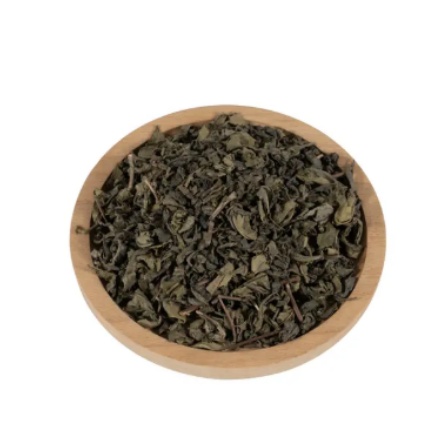
Because gunpowder tea has structure and a firm finish, it pairs well with foods that can overpower more delicate green teas. Instead of disappearing behind strong flavors, it holds its presence and keeps the palate refreshed.
Many drinkers enjoy gunpowder tea alongside:
Savory snacks (nuts, crackers, lightly salted bites)
Grilled foods (barbecue-style flavors, roasted meats, grilled vegetables)
Lightly spiced dishes (gentle heat, aromatic seasoning)
Pastries and baked items (buttery textures, toasted notes)
The toasty character and crisp finish can feel like a “reset button” for the mouth, which is why gunpowder tea works so well as an everyday table tea in many regions.
When buyers tell us they want a “good taste” gunpowder tea, we usually clarify what that means in practice:
choose a more balanced profile (not overly smoky)
brew lighter to highlight freshness
choose a style that emphasizes toastiness
brew slightly stronger but avoid over-steeping
choose consistent pellets for reliable multi-infusion performance
A well-made gunpowder tea should give you a cup that feels clean, toasty, and steady, without harshness.
Use water that is hot but not aggressively boiling
Start with a shorter steep and adjust upward
Pour out the infusion fully between steeps
Try multiple infusions—gunpowder tea often improves after the first
Even small changes can dramatically improve taste.
So, what does gunpowder tea taste like? In a well-brewed cup, it tastes toasty and nutty with a crisp green tea freshness, plus a structured finish that lingers pleasantly. It’s a tea that can be light and clean or bold and intense depending on how you brew it—making it a versatile choice for different markets and different drinking habits. That adaptability, along with aroma retention from its pellet shape, is exactly why gunpowder tea remains a classic product choice for everyday tea drinkers and buyers alike.
At Zhejiang Chunli Tea Industry Co., Ltd., we focus on producing gunpowder tea with reliable pellet formation, stable flavor performance, and a profile that works across a wide range of brewing preferences. If you’d like to explore more about our gunpowder tea offerings, packaging options, or selection guidance based on your target taste style, you’re welcome to learn more through Zhejiang Chunli Tea Industry Co., Ltd. and contact our team for details.
Gunpowder tea can become bitter if brewed too hot or too long. With a lighter brew, it tastes smoother and more balanced.
Some gunpowder teas have a light smoky note, but the dominant taste is usually toasty and crisp rather than strongly smoky.
The tightly rolled pellets unfurl slowly and can release flavor in a concentrated way, especially if brewed stronger.
Yes. Many gunpowder teas perform well across multiple infusions, with the flavor often becoming more balanced after the first steep.


