

Views: 0 Author: Site Editor Publish Time: 2026-03-02 Origin: Site


Green tea is one of the most consumed beverages worldwide, known for its distinct and refreshing taste. Among the many varieties of green tea, Chunmee Tea stands out for its unique flavor profile, offering a rich and complex drinking experience. In this article, we will explore the taste of green tea, focusing specifically on Chunmee Tea. We will cover everything from the basic characteristics of green tea’s flavor to the factors influencing the taste of Chunmee Tea, and provide some tips on how to enjoy it.
Green tea has been cherished for centuries, originating in China and Japan. Its flavor can vary widely depending on the type, preparation methods, and regional origin. Unlike black tea, which undergoes a process of oxidation, green tea retains its natural green color and fresh, light flavor. The Chunmee Tea variety, produced primarily in Zhejiang Province, is particularly known for its delicate and aromatic taste.
Green tea is renowned for its fresh, grassy flavor with varying levels of sweetness, bitterness, and astringency. The exact taste depends on several factors, such as the specific tea variety, harvesting time, processing methods, and brewing techniques. Among the different types of green tea, Chunmee Tea offers its own unique flavor profile that sets it apart.
Green tea’s flavor is typically characterized by a combination of sweetness, bitterness, and vegetal notes. However, different varieties exhibit distinct tastes based on their production processes and growing conditions.
Green tea can be described using the following primary flavor characteristics:
Grassy: A fresh, green, and vegetal taste, often found in high-quality green teas.
Sweetness: A subtle sweetness that can be present in well-balanced green teas.
Bitterness: A mild to moderate bitterness, which can be more pronounced depending on the brewing time and temperature.
Astringency: A drying sensation on the palate, often resulting from the polyphenols found in tea leaves.
The taste of green tea is largely influenced by how it is processed. The two most common methods for processing green tea are steaming and pan-frying.
Steamed Green Tea (commonly found in Japanese green teas): This method preserves the grassy, vegetal notes and tends to produce a more umami-rich flavor.
Pan-Fried Green Tea (common in Chinese green teas like Chunmee Tea): The tea leaves are quickly heated in a pan, which imparts a slightly toasted, nutty flavor and a more robust vegetal profile.
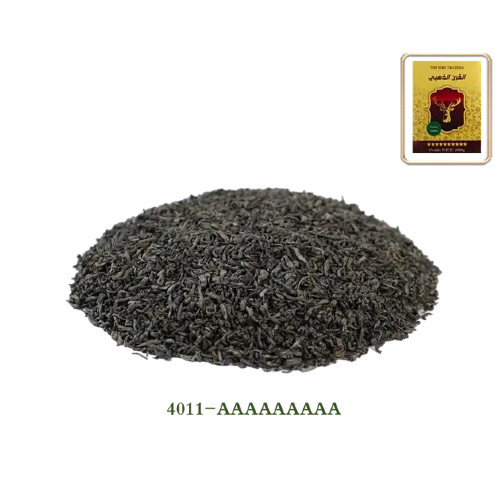
Chunmee Tea, one of the most popular varieties of Chinese green tea, is known for its distinctive flavor and appearance. The name "Chunmee" translates to "precious eyebrows" due to the unique shape of the tea leaves, which resemble the gentle curve of an eyebrow.
Chunmee Tea offers a balanced combination of the following flavors:
Grassy and Fresh: The initial taste of Chunmee Tea is often described as fresh, grassy, and green, reminiscent of a spring morning.
Mild Sweetness: There is a subtle sweetness that follows the initial grassy note, adding a smooth, pleasant aftertaste.
Savory Umami: Chunmee Tea often carries an umami-like richness, which gives it depth and a savory quality.
Crisp Aftertaste: The finish is typically clean and refreshing, without lingering bitterness.
The unique taste of Chunmee Tea is primarily due to the specific harvesting and processing methods used by producers like Zhejiang Chunli Tea Industry Co., Ltd. The leaves are picked young and processed quickly to preserve their fresh and bright flavor profile. The tea’s leaves are lightly pan-fried, which imparts a distinctive roasted flavor, distinguishing Chunmee Tea from other green teas.
The flavor of green tea can be influenced by a variety of factors, including the growing conditions, harvesting techniques, and brewing methods. Let’s break down each of these factors to better understand what influences the taste of Chunmee Tea.
The flavor of green tea begins in the fields. Several environmental factors can affect the taste of the tea:
Climate: Cooler climates produce greener, fresher tea with more pronounced vegetal flavors.
Altitude: High-altitude teas tend to have a more complex flavor profile, with floral and fruity notes.
Soil Quality: The composition of the soil influences the mineral content of the tea leaves, contributing to the overall flavor.
Chunmee Tea is typically grown in the mountainous regions of Zhejiang, where the cool climate and fertile soil help produce leaves with fresh, grassy flavors.
The timing of the harvest and how the tea is processed also play a major role in shaping its flavor:
Harvest Time: Spring harvests tend to yield the freshest, most aromatic teas.
Processing: The process of pan-frying the leaves in Chunmee Tea helps to lock in the fresh, grassy flavors while also imparting a subtle toasted note.
Even the best-quality tea can taste disappointing if brewed improperly. To enjoy Chunmee Tea at its best, it is important to use the right water temperature (around 75-80°C or 170-175°F) and steeping time (2-3 minutes). Over-brewing or using water that is too hot can result in a bitter taste.
Here’s a detailed breakdown of the Chunmee Tea tasting experience:
Flavor Note | Description |
Grassy & Fresh | The first sip is dominated by fresh, green notes, like freshly cut grass or a spring meadow. |
Mild Sweetness | After the grassy flavor, a subtle sweetness appears, which balances the bitterness. |
Umami Flavor | There is a slight umami, reminiscent of vegetable broths, that adds depth to the taste. |
Crisp Aftertaste | The finish is clean and crisp, leaving a refreshing sensation on the palate. |
Chunmee Tea’s flavor is well-balanced, offering a smooth transition between its initial grassy taste, followed by a slight sweetness, and a savory finish. These distinct characteristics make Chunmee Tea a highly enjoyable variety of green tea.
To brew Chunmee Tea to perfection, follow these steps:
Use fresh, filtered water for the best taste.
Heat the water to 75-80°C (170-175°F).
Place 1-2 teaspoons of tea leaves per 8 oz. of water.
Steep for 2-3 minutes, then remove the tea leaves to avoid bitterness.
Pairing with Snacks: Chunmee Tea pairs well with light foods like crackers, fruits, and mild cheeses.
Enjoying Alone: Enjoy it by itself for a refreshing and calming experience, ideal for mid-morning or afternoon breaks.
Chunmee Tea offers a unique and balanced flavor profile, making it a fantastic choice for both novice tea drinkers and experienced enthusiasts. Whether you are looking for a new tea to enjoy or you want to explore a specific type of green tea, Chunmee Tea offers a refreshing and aromatic experience that is perfect for any occasion.
In conclusion, Chunmee Tea offers a delightful and unique flavor profile that sets it apart from other green teas. With its fresh, grassy notes, mild sweetness, and savory umami, it provides a refreshing and satisfying experience for any tea lover. By understanding the factors that influence its taste, from growing conditions to brewing methods, you can fully appreciate the intricacies of this exquisite tea.
At Zhejiang Chunli Tea Industry Co., Ltd., we are dedicated to providing the highest quality Chunmee Tea to tea enthusiasts around the world. Whether you're new to green tea or a seasoned connoisseur, our products offer a refined and authentic taste that is perfect for any occasion.
For more information or to explore our wide range of premium teas, we invite you to reach out to us directly. Our team is happy to assist with any questions or inquiries you may have, and we look forward to helping you discover the perfect tea experience.
Q1: What does green tea taste like compared to black tea?
Green tea tends to have a lighter, more delicate flavor with grassy, vegetal notes, while black tea is generally bolder and richer due to its oxidation process.
Q2: How can I make green tea taste better?
To enhance the flavor of green tea, brew it with the proper water temperature (75-80°C) and avoid over-steeping. You can also add a small amount of honey or lemon if desired.
Q3: Why does Chunmee Tea taste different from other green teas?
Chunmee Tea has a unique flavor profile due to its specific pan-frying processing method, which imparts a fresh, grassy flavor and a slight roasted note.
Q4: Is Chunmee Tea more bitter than other types of green tea?
Chunmee Tea is generally less bitter than many other green teas, thanks to its delicate balance of sweetness and savory flavors.
Q5: Can I re-brew Chunmee Tea leaves?
Yes, Chunmee Tea leaves can be re-brewed multiple times, and each infusion may offer subtle variations in flavor.


