

Views: 0 Author: Site Editor Publish Time: 2026-05-09 Origin: Site


Have you ever wondered how mushrooms could transform your tea experience? Mushroom tea is becoming increasingly popular, offering a unique twist on traditional brews like Chunmee Tea.
In this article, we’ll delve into the history, flavors, and health benefits of mushroom tea, and help you understand how these mushrooms enhance your daily tea ritual. You’ll discover the different types of mushroom teas and how they compare to other natural beverages.
Mushroom tea is a beverage made by steeping mushrooms, particularly medicinal ones, in hot water. It is gaining popularity due to its unique earthy flavors and potential benefits. Unlike the typical mushrooms you might find in a salad or stir-fry, these mushrooms have functional properties that are believed to support wellness. While culinary mushrooms are used primarily for flavor in cooking, medicinal mushrooms are prized for their compounds that may offer benefits beyond basic nutrition.
Medicinal mushrooms, such as Reishi, Lion’s Mane, Cordyceps, and Chaga, are commonly used in mushroom tea. These mushrooms have been valued for centuries in traditional Chinese medicine for their adaptogenic and immune-boosting qualities.
● Culinary Mushrooms: Button mushrooms, portobello, and shiitake — often used for their taste in everyday cooking.
● Medicinal Mushrooms: Reishi, Lion’s Mane, and Chaga — known for their beneficial compounds, including antioxidants and polysaccharides.

The process of making mushroom tea can vary depending on the type of mushroom being used. The most common way to prepare mushroom tea is to steep dried mushroom powder or whole dried mushrooms in hot water. For a more intense flavor, some people choose to simmer the mushrooms for a longer period, allowing the medicinal compounds to be released into the tea.
Here are two ways to prepare mushroom tea:
● Steeping: Simply place dried mushrooms or mushroom powder in hot water and let it steep. This is a quick and easy method.
● Blending: For a smoother texture and richer flavor, powdered mushrooms are blended directly into hot water, similar to how you would make matcha.
Method | Process | Benefits |
Steeping | Place dried mushrooms in hot water and steep for 5-10 minutes. | Quick preparation, preserves natural flavor. |
Blending | Add powdered mushrooms to hot water and whisk. | Creates a smoother, richer tea. |
Many people enjoy mushroom tea for its simplicity, as it allows them to experience the unique flavors and potential benefits of medicinal mushrooms without complicated preparation.
Mushroom tea often contains a blend of different mushrooms, each contributing its unique flavor and characteristics. Some of the most popular mushrooms used in mushroom tea are:
● Reishi: Known as the “mushroom of immortality,” it has a bitter taste and is traditionally used to support overall wellness.
● Lion’s Mane: Recognized for its potential to support cognitive health, Lion’s Mane is a favorite in mushroom tea for its mild flavor and mental clarity properties.
● Cordyceps: Often associated with energy-boosting effects, Cordyceps is used in pre-workout blends.
● Chaga: Known for its rich antioxidant properties, Chaga has a slightly bitter flavor and is highly valued in mushroom teas for its ability to neutralize free radicals.
Mushroom Type | Flavor Profile | Common Uses |
Reishi | Bitter, woody | Immune support, overall wellness |
Lion’s Mane | Mild, slightly sweet | Cognitive function, mental clarity |
Cordyceps | Earthy, mild | Energy boost, pre-exercise |
Chaga | Earthy, vanilla hint | Antioxidant support, immune health |
Chaga mushrooms are known for their bold, earthy flavor and their rich antioxidant properties. When brewed, Chaga tea presents a deep, woody taste with a subtle hint of vanilla, thanks to the presence of vanillin, which is also found in vanilla beans. Brewing Chaga mushroom tea is simple—just add the powdered mushroom to hot water, whisk it, and enjoy the smooth, unique flavor.
● Brewing Tips: Steep for 5-7 minutes for the best extraction of flavor and beneficial compounds.
● Flavor Profile: Earthy, slightly bitter, with a touch of vanilla sweetness.
Chunmee Tea's emphasis on natural ingredients is reflected in the purity of their product offerings. While they specialize in premium green tea, their philosophy aligns with the wholesome, unprocessed ingredients found in medicinal mushroom teas like Chaga.
Reishi and Lion’s Mane mushrooms are both staples in mushroom teas, each bringing its own characteristics to the brew. Reishi, often called the "mushroom of immortality," offers a robust, bitter flavor and is traditionally consumed for its calming effects. It is commonly used in mushroom tea for relaxation and overall well-being.
● Reishi: Strong, bitter taste, traditionally known for relaxation and immune support.
● Lion’s Mane: Milder and slightly sweet, it is commonly used for cognitive function and mental clarity.
These two mushrooms can be found together in blends designed to enhance both relaxation and mental performance, making them perfect for morning or evening tea sessions.
Many mushroom tea brands offer unique blends that combine different mushrooms and additional ingredients like spices, herbs, and flowers. One example is Chaga Wonder, a blend that features Chaga mushroom, hemp flowers, chamomile, and other soothing herbs. Another popular option is Chaga Chai, which pairs the earthy flavor of Chaga with traditional chai spices like cinnamon, ginger, and cardamom for a warming, flavorful experience.
● Chaga Wonder: Chaga mushroom with hemp flowers, chamomile, and spearmint for a calming experience.
● Chaga Chai: A blend of Chaga mushroom with chai spices like cinnamon and cardamom for a flavorful twist.
These blends bring out the best in medicinal mushrooms by pairing them with ingredients that complement their natural qualities, offering a richer and more diverse tea-drinking experience.
Mushroom tea has a distinctive earthy flavor that sets it apart from traditional teas. The taste can be described as slightly bitter, with a deep, robust undertone that reflects the natural properties of the fungi used. Depending on the type of mushroom, the intensity of this bitterness can vary. For instance, Chaga mushroom tea tends to be milder, offering a softer, slightly sweet note, whereas Reishi tea is more bitter and woody. On the other hand, Lion's Mane provides a more delicate, somewhat sweet taste.
Here’s a quick overview of what you can expect from different mushroom teas:
Mushroom Type | Flavor Profile | Characteristics |
Chaga | Mild, earthy with a hint of vanilla | Smooth, easy to drink, and a bit sweet |
Reishi | Bitter, woody | Strong flavor, often used for relaxation and wellness |
Lion’s Mane | Mild, slightly sweet | Light, pleasant, used for cognitive support |
Although mushroom tea has its own distinct taste, you might want to elevate it further to suit your palate. Adding a touch of honey can balance the bitterness, while a slice of ginger or a few drops of lemon can bring some freshness and zing to the tea. For those who prefer a sweeter, spicier profile, cinnamon or cardamom can be fantastic additions.
Tips for enhancing mushroom tea flavor:
● Honey: Adds a natural sweetness that complements the earthiness of the mushrooms.
● Ginger: Brings warmth and a spicy kick that cuts through the bitterness.
● Lemon: Offers a refreshing, tangy twist to the robust flavors.
When compared to traditional teas like Chunmee Tea, which is known for its fresh, green flavor with a delicate bitterness, mushroom tea offers a much more intense, earthy profile. Chunmee Tea, with its smoother taste, might appeal to those who prefer a less complex flavor. However, for those looking for an adventurous, bold tea experience, mushroom teas are a great choice, especially when paired with the right flavor enhancers.
Mushroom tea is not just a flavorful beverage; it carries a variety of potential benefits. Traditionally, certain mushrooms have been included in teas for their believed ability to support the immune system and digestive health. For example, Chaga mushrooms are often considered to have natural properties that can contribute to the body’s defense mechanisms. However, the key appeal of mushroom tea lies in its earthy taste and cultural significance rather than any definitive health claims.
Many enjoy mushroom tea for its unique flavor and soothing qualities, much like Chunmee Tea, which is known for its delicate green taste and simple, natural ingredients. Both types of tea offer an opportunity to connect with natural wellness practices, though their flavors and histories differ.
Adaptogens are natural compounds found in certain plants and fungi, including mushrooms. These substances are thought to help the body adapt to stress and maintain balance. In Eastern medicine, mushrooms like Reishi and Lion’s Mane have been revered for their adaptogenic properties, traditionally used to promote well-being and relaxation.
These adaptogens are believed to help balance the body’s response to stress and enhance overall resilience. When brewing mushroom tea, particularly with varieties like Reishi, drinkers may be engaging with a long tradition of using fungi for mental and physical wellness. This connection to nature is similar to Chunmee Tea's approach, which emphasizes the use of pure, natural ingredients that have stood the test of time in Chinese tea culture.
Mushroom Type | Adaptogenic Properties | Common Uses |
Reishi | Calms the body, supports stress relief | Relaxation, immune support |
Lion’s Mane | Enhances mental clarity, focus | Cognitive support, stress reduction |
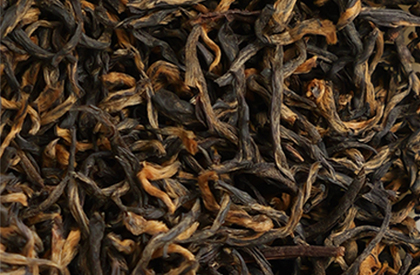
Mushrooms are rich in a variety of essential nutrients. When consumed in tea form, they provide a convenient way to integrate these nutrients into your daily routine. Many medicinal mushrooms, such as Chaga, are packed with antioxidants, which help neutralize free radicals in the body. Other mushrooms like Cordyceps are a good source of fiber, which aids digestion and contributes to overall gut health.
Mushroom teas are also a good source of vitamins, such as B-vitamins, which are important for energy metabolism. The antioxidants and nutrients in these mushrooms are easier to absorb in tea form, making it a great option for those looking to support their daily nutrition in a simple, enjoyable way.
Nutrient | Source | Benefit |
Fiber | Mushrooms like Lion's Mane & Chaga | Supports digestion and gut health |
Vitamins B | Reishi, Chaga | Boosts metabolism and energy |
Antioxidants | Chaga, Lion’s Mane, Cordyceps | Protects cells from oxidative stress |
Drinking mushroom tea makes it simple to include these nutrients without the need for additional supplements. Much like Chunmee Tea, which offers a straightforward yet beneficial drink, mushroom tea provides a way to enjoy nature’s offerings without complexity.
Mushroom tea offers a unique, earthy flavor that distinguishes it from traditional beverages like Chunmee Tea. Its adaptogenic properties, primarily from mushrooms like Reishi and Chaga, make it a sought-after option for those looking for natural ways to unwind and connect with ancient wellness practices. Zhejiang Chunli Tea Co., Ltd., known for its high-quality teas, continues to offer customers premium products with natural, pure ingredients.
A: Mushroom tea is made by steeping medicinal mushrooms, such as Reishi, Lion’s Mane, and Chaga, in hot water. It is known for its earthy flavors and potential health benefits, such as immune support and stress relief.
A: Mushroom tea has a much more intense, earthy profile with flavors like bitterness and woodiness, while Chunmee Tea offers a lighter, greener flavor with a delicate bitterness, providing a smoother, more subtle experience.
A: Mushroom tea is rich in antioxidants, fiber, and B-vitamins, offering benefits like immune support, stress relief, and enhanced cognitive function. It’s a natural way to support overall well-being, similar to the benefits of Chunmee Tea.
A: Popular mushrooms used in mushroom tea include Reishi (known for relaxation and immune support), Lion’s Mane (for cognitive function), Cordyceps (for energy), and Chaga (for antioxidants).
A: Yes, you can enhance mushroom tea by adding honey, ginger, or lemon to balance its earthy flavor. For a spicier kick, try adding cinnamon or cardamom, much like how Chunmee Tea can be customized with flavors.


