

Views: 0 Author: Site Editor Publish Time: 2026-03-11 Origin: Site


If you’ve ever opened a bag of gunpowder tea, you probably noticed the signature look right away: tight, dark-green pellets that resemble small beads. That appearance is exactly where gunpowder tea gets its famous name. But buyers and tea lovers often ask a more practical question—what is gunpowder tea made of, and what makes one batch taste fresher and cleaner than another? The answer is both simple and surprisingly detailed. Gunpowder tea is made from green tea leaves, but its character comes from how those leaves are selected, heated, rolled, and dried to lock in aroma and create that distinctive pellet shape. For importers, wholesalers, and private-label brands, understanding the “made of” question is also a quality-control question: leaf grade, rolling tightness, moisture level, and appearance all influence shelf stability and brewing performance.
At Zhejiang Chunli Tea Industry Co., Ltd., we work with gunpowder tea as a product category and as a craft. In this article, we’ll explain what gunpowder tea is made of, how it’s processed, what the common grades mean, and how to evaluate quality in a way that supports consistent sourcing. We’ll keep the language buyer-friendly and include a few tables to make key points easy to compare.
Gunpowder tea is a type of green tea. Its main ingredient is:
Fresh green tea leaves (Camellia sinensis)
There are no added flavorings or spices in traditional gunpowder tea. The “gunpowder” identity comes from the rolling method, not from what’s added. In other words, it’s not a blend—it’s a processing style.
While all gunpowder tea is made from green tea leaves, different batches can use different leaf sets depending on the grade and the target market.
Young leaves (tender, aromatic, clean liquor)
Leaf + small bud presence (often associated with higher refinement)
More mature leaves (stronger body, often used for value-focused grades)
The key point for buyers is that leaf selection influences:
pellet size and uniformity
aroma intensity
bitterness vs smoothness
appearance (greenness, sheen, cleanliness)
The “made of” story is really the process story, because rolling is what turns loose leaves into pellets.
Plucking / raw leaf selection
Leaves are selected based on size and tenderness.
Withering (light, controlled)
Moisture is reduced slightly to make leaves more workable.
Fixation (heat to stop oxidation)
This is the classic green tea step. Heat helps preserve the green character and prevents the leaves from turning into black tea.
Rolling (signature pellet formation)
Leaves are rolled repeatedly until they form tight pellets. Tight rolling protects aroma and helps the tea travel well.
Drying
Final drying stabilizes moisture for storage and shipping.
Grading and sorting
Pellets are sorted by size, uniformity, and leaf quality.
Rolling is not just for appearance. In gunpowder tea, rolling is the defining step that turns loose green tea leaves into tight, bead-like pellets—and that transformation affects almost everything a buyer cares about: aroma, stability, brewing behavior, and shipment performance. When the pellets are rolled tightly and evenly, the leaf surface area exposed to air is reduced. This helps preserve the tea’s original fragrance during storage and makes the product more consistent from batch to batch. In practical terms, tight rolling means the tea tends to arrive in better condition after transport, especially for export shipments where temperature and handling can vary.
Rolling also influences how the tea brews. A pellet is essentially a “compressed leaf bundle,” so it unfurls gradually rather than releasing everything at once. That slow unfurling creates better brewing control—the first infusion can be clean and aromatic, and subsequent infusions open up more leaf character. For wholesalers and private-label brands, this matters because customers often judge quality by how the tea behaves in a cup: clarity, aroma, and the way the leaves open.
Finally, rolling improves packing efficiency. Pellets settle more uniformly in bags and cartons, and when processed correctly, they resist breakage better than fragile, flat leaf shapes. This reduces dust and碎叶 (broken leaf) during long-distance shipping, which is a key quality point for many importers.
In summary, rolling changes gunpowder tea in four practical ways:
Aroma retention: tighter pellets protect aromatic compounds during storage
Shelf stability: lower exposed surface area helps reduce staling
Brewing control: pellets unfurl gradually, creating a layered infusion
Shipping efficiency: pellets pack well and resist breakage (when processed correctly)
Different markets use slightly different naming systems, but “grade” generally reflects three things: pellet size, uniformity, and leaf quality. In most sourcing conversations, buyers are not only selecting a taste direction—they’re selecting a commercial positioning: higher-end retail, mainstream wholesale, or value-focused distribution. Understanding grade signals helps you match a product to your channel without overpaying for specifications your end market doesn’t require.
Grade Style (Common Trade Terms) | Pellet Appearance | Typical Positioning | What Buyers Usually Look For |
Premium / finer grade | Smaller, tighter, more uniform | Higher-end retail, private label | Clean aroma, consistent look |
Standard export grade | Medium pellet, good uniformity | Mainstream wholesale | Balance of cost and performance |
Value grade | Larger pellets, more variation | Price-sensitive markets | Stronger body, cost efficiency |
Note: Grade naming can differ by destination and contract terms. A reliable supplier should confirm specs with pre-shipment samples, clear written parameters, and repeatability standards—not just a grade label.
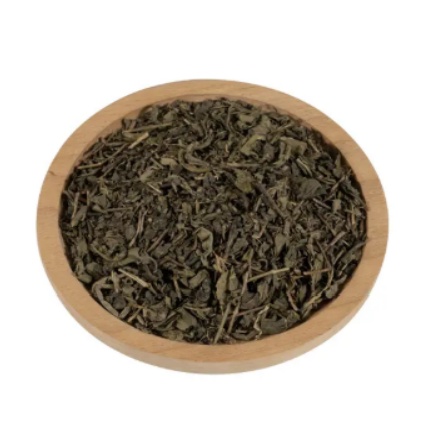
When you’re sourcing or evaluating gunpowder tea, it helps to assess quality from two angles: what you can see (physical condition) and what you can confirm by brewing (cup performance). A strong evaluation routine makes supplier comparisons more objective and helps reduce disputes after delivery.
Pellet uniformity: consistent size usually indicates good sorting and stable processing
Tightness: tighter pellets often signal better craft and stronger aroma protection
Cleanliness: low dust and fewer broken bits improve cup clarity and packaging presentation
Color: dark green to olive green is common; overly dull appearance may suggest age, poor storage, or heavy exposure to moisture/air
Dry aroma: should smell fresh, clean, and tea-forward (not flat or dusty)
Liquor clarity: should look clear and clean, not muddy or overly cloudy
Leaf unfurling: pellets should open into recognizable leaf pieces rather than crumbling into powder
A practical buyer habit is to keep a simple “QC record” for each sample: pellet photos, dry aroma notes, and infusion observations. This makes later reordering and consistency checks much easier.
Gunpowder tea quality is tightly connected to processing discipline. Even if raw leaves are good, inconsistent process control can lead to unstable aroma, uneven pellets, or shipment issues. The table below shows how each step influences the commercial outcome.
Processing Element | What Changes in the Tea | Why It Matters for Buyers |
Leaf tenderness | Aroma, smoothness, finish | Influences positioning and repeat orders |
Fixation control | Green character, cleanliness | Helps keep profile consistent |
Rolling tightness | Storage stability, infusion pacing | Impacts shelf life and brewing experience |
Drying level | Stability and transport safety | Reduces risk during shipping |
Sorting precision | Uniformity and appearance | Supports brand consistency |
For importers and brands, these factors connect directly to customer feedback: uniform pellets look premium, clean liquor is easier to sell, and stable aroma reduces complaints about “flat” tea.
So, what is gunpowder tea made of? It’s made of green tea leaves, shaped into tight pellets through a careful sequence of heating, rolling, drying, and grading. There are no added ingredients in traditional gunpowder tea—the identity comes from craftsmanship, leaf selection, and process control. For buyers, this matters because the same category can vary widely in pellet uniformity, cleanliness, aroma retention, and brewing behavior. When you evaluate gunpowder tea using practical markers—leaf quality, rolling tightness, drying stability, and sorting precision—you’re not just buying “a tea,” you’re buying consistency that your customers can recognize cup after cup. If you are sourcing gunpowder tea for wholesale, retail, or private label and want a stable supply with clear specifications and repeatable quality, you are welcome to learn more through Zhejiang Chunli Tea Industry Co., Ltd. and contact our team for product information and sampling support.
Gunpowder tea is made of green tea leaves. Its pellet shape comes from repeated rolling during processing, not from added ingredients.
Traditional gunpowder tea is not a blend. It is a style of green tea made from Camellia sinensis leaves and processed into pellets.
The leaves are rolled tightly during processing to form small pellets. This helps protect aroma, improves packing, and creates a gradual unfurling during brewing.
Look for tight, uniform pellets, low dust, clean dry aroma, clear liquor, and pellets that unfurl into intact leaves rather than breaking into powder.


