

Views: 0 Author: Site Editor Publish Time: 2026-03-18 Origin: Site


Gunpowder tea is a traditional Chinese green tea known for its distinct appearance and robust flavor. The tea leaves are tightly rolled into small pellets that resemble gunpowder grains, hence the name. One of the most common questions about gunpowder tea is its caffeine content. As a popular choice for tea lovers worldwide, especially those seeking a stronger brew, it’s essential to understand how much caffeine is in gunpowder tea and how it compares to other teas and beverages. In this article, we will explore the caffeine content of gunpowder tea, factors that influence it, and why it’s a great choice for those who enjoy a more invigorating cup of tea.
At Zhejiang Chunli Tea Industry Co., Ltd., we specialize in producing high-quality gunpowder tea that meets the expectations of tea enthusiasts around the world. Whether you are new to tea or a seasoned connoisseur, understanding the caffeine content can help you enjoy the full experience that this remarkable tea has to offer. Let’s dive into the details!
Caffeine is a naturally occurring stimulant found in various plants, including tea leaves. It helps to increase alertness, making tea a popular choice for those seeking a boost in energy. Tea’s caffeine content depends on several factors, including the type of tea, the processing method, and how the tea is brewed.
While caffeine content is often associated with coffee, tea is also a great source of caffeine. However, not all teas have the same amount. Green tea, including gunpowder tea, typically has less caffeine than coffee but can still offer a noticeable boost of energy. So, how much caffeine does gunpowder tea specifically contain?
On average, a cup of gunpowder tea (around 8 ounces) contains approximately 30 to 50 milligrams of caffeine. This places it in the lower to mid-range of caffeine content among teas. For comparison, a cup of coffee typically contains between 95 and 200 milligrams of caffeine, depending on brewing methods. Gunpowder tea’s caffeine content falls between that of green tea and black tea.
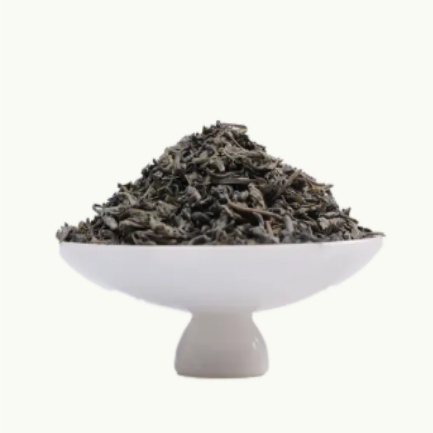
Tea Leaf Type: Gunpowder tea is made from young green tea leaves, which tend to have moderate caffeine content compared to other types of leaves, such as black tea or oolong tea.
Brewing Time: The longer you steep your gunpowder tea, the more caffeine is extracted. Typically, a 2-3 minute steep time is ideal for most green teas, but steeping for longer may increase caffeine extraction.
Water Temperature: Hotter water extracts more caffeine from the tea leaves. Gunpowder tea is best brewed with water at a temperature of around 170°F to 185°F (75°C to 85°C). Using water that is too hot may result in a more bitter flavor but can also increase caffeine levels.
Tea Leaf Size: Gunpowder tea leaves are tightly rolled into small pellets, which means they pack more leaf material into a smaller space. This compact form may allow for more caffeine to be released during steeping, especially if the tea is steeped for longer.
Tea Strength: The strength of the tea also plays a role. If you like a stronger cup, you may use more tea leaves, which will increase the caffeine content.
In general, a typical serving of gunpowder tea brewed at the recommended temperature and time will offer a moderate amount of caffeine, perfect for those who want a natural pick-me-up without the stronger effects of coffee.
Gunpowder tea is widely recognized as a distinctive green tea with strong character, consistent quality, and versatile application. For buyers, distributors, and tea brands, choosing gunpowder tea is not only about taste, but also about reliability, storage stability, and brewing performance. Its tightly rolled leaf shape allows it to maintain freshness during transport and long-term storage, which makes it especially suitable for export markets and large-scale supply chains.
One of the primary reasons gunpowder tea stands out is its steady and predictable caffeine release. Compared with beverages that deliver a sharp intensity, gunpowder tea provides a balanced drinking experience that many consumers prefer for daily consumption. The rolled leaf structure slows down infusion, allowing the flavor and caffeine to unfold gradually across multiple brews. This characteristic is particularly valued by tea drinkers who enjoy consistency from cup to cup.
Another advantage lies in its processing style. Gunpowder tea undergoes careful pan-firing and rolling, resulting in compact pellets that protect the inner leaf from oxidation. This contributes to a more stable product during shipping and storage. For wholesalers and retailers, this stability translates into lower risk of quality degradation and a longer shelf life compared with loosely processed green teas.
Flavor is another important factor. Gunpowder tea delivers a bold, slightly smoky character with a clean finish that differentiates it from lighter green teas. This stronger profile makes it suitable for a wide range of markets, including regions where consumers prefer teas with noticeable body and aroma. It also performs well in blended products, such as mint tea or flavored tea bases, because its structure allows it to retain character even when combined with other ingredients.
Versatility further enhances its value. Gunpowder tea can be brewed as a traditional hot beverage, prepared as iced tea, or used as a base for ready-to-drink formulations. Its pellet form makes portion control easier in both household and commercial settings. For foodservice applications, this consistency simplifies brewing processes and ensures predictable results.
From a sourcing perspective, gunpowder tea is often favored because grading standards are clearly defined. Leaf size, pellet uniformity, color, and firing quality all contribute to grading categories that buyers can specify when placing orders. This makes gunpowder tea a practical choice for long-term supply programs where consistency is essential.
When evaluating gunpowder tea against other tea categories, the comparison typically focuses on caffeine level, flavor strength, appearance, and brewing behavior. Gunpowder tea occupies a unique middle position among common tea types, offering more body than most green teas while remaining lighter than many black teas.
Beverage Type | Caffeine Content (per 8 oz) | Taste Profile | Typical Use Scenario |
Gunpowder Tea | 30–50 mg | Strong, slightly smoky, structured | Daily drinking, blending base |
Green Tea | 15–40 mg | Light, fresh, grassy | Casual consumption |
Black Tea | 40–70 mg | Bold, malty, rich | Breakfast tea, milk tea |
Coffee | 95–200 mg | Intense, roasted | High-intensity beverages |
This comparison highlights why gunpowder tea appeals to a broad range of consumers. It offers a noticeable tea presence without the heaviness associated with stronger beverages. For buyers, this balanced positioning allows gunpowder tea to serve multiple market segments, from traditional tea drinkers to ready-to-drink beverage brands.
Proper brewing plays a key role in achieving consistent caffeine extraction and flavor clarity. Because gunpowder tea leaves are tightly rolled, brewing parameters should support gradual expansion rather than aggressive extraction.
Water temperature is the first critical factor. Using water between 170°F and 185°F allows the pellets to open slowly while preserving the tea’s smooth character. Excessively hot water can cause rapid extraction, leading to a harsher profile and uneven infusion.
Tea quantity also affects the final result. A typical starting point is one teaspoon of pellets per 8 ounces of water. This ratio provides balanced strength for most applications. Increasing leaf quantity produces a fuller cup, which may be preferred for iced tea or blending.
Brewing time should generally remain within two to three minutes for the first infusion. Because the leaves are compact, longer steeping does not necessarily improve flavor and may create intensity imbalance. Instead, multiple short infusions often produce a better overall experience and allow caffeine to release gradually.
Gunpowder tea offers a unique balance between flavor, energy, and health benefits, thanks to its moderate caffeine content. Whether you're looking for a stimulating drink to start your day or a flavorful afternoon refreshment, gunpowder tea provides just the right amount of caffeine without the jitters that often come with coffee. At Zhejiang Chunli Tea Industry Co., Ltd., we produce top-quality gunpowder tea to meet the diverse needs of tea lovers everywhere. Explore our collection and experience the authentic taste of this traditional Chinese green tea today!
Gunpowder tea typically contains 30-50 mg of caffeine per 8 oz serving. It is higher in caffeine than most green teas but lower than coffee or black tea.
While caffeine does not directly influence flavor, longer brewing times (which increase caffeine extraction) can make the tea more bitter. Keeping steeping times between 2-3 minutes helps maintain a balanced flavor.
Gunpowder tea offers a moderate caffeine content, making it a good choice for those who are sensitive to caffeine but still want a mild stimulant effect without the intensity of coffee.
Yes, reducing the steeping time and using cooler water will result in less caffeine being extracted. Alternatively, you can blend gunpowder tea with lower-caffeine herbs or teas to reduce the overall caffeine level.


